How Pool Shops Help You Stay Compliant With Safety Regulations
Owning a pool comes with more than just maintenance and enjoyment. There are also safety responsibilities that must be taken seriously, particularly when it comes to meeting regulatory requirements. For many homeowners, understanding what is required — and keeping up with changes — can feel overwhelming.
Safety regulations cover a range of areas, from fencing and gates to water quality and signage. Missing even one detail can lead to complications, whether that involves fines, failed inspections or safety risks for those using the pool.
This is where working with a pool shop in Forster becomes valuable. Beyond supplying products, pool shops provide guidance, support and practical solutions that help owners stay compliant while maintaining a safe environment.
Understanding Why Pool Safety Regulations Exist and What They Cover
Pool safety regulations are designed to reduce risk and promote safer environments for households and visitors. They aim to prevent accidents, particularly involving children, by setting clear standards for barriers, access points and overall pool management.
These regulations often extend beyond physical structures. They also include ongoing responsibilities such as maintaining safe water conditions and ensuring equipment is functioning correctly.
For pool owners, this means compliance is not a one-time task but an ongoing process. Requirements may change over time, and what was once acceptable may no longer meet current standards. Understanding the scope of these regulations is the first step toward maintaining a safe and compliant pool area.
How a Pool Shop Helps You Navigate Fencing and Barrier Compliance
Fencing and barriers are among the most visible aspects of pool safety, but they are also areas where many owners have questions. A pool shop can provide guidance on selecting and maintaining compliant solutions.
They may assist with:
- Identifying appropriate fence heights and materials
- Recommending compliant gate systems and hardware
- Advising on spacing and structural requirements
- Supplying replacement parts for ageing or damaged components
Rather than guessing what meets current standards, working with a knowledgeable supplier can help clarify what is required for your specific setup. For those seeking guidance, visiting a pool shop in Forster can provide practical advice tailored to local expectations and conditions.
Are Your Pool Gates and Latches Meeting Current Safety Standards?
Pool gates and latches are critical components of a compliant barrier system. Even if fencing appears secure, a faulty or outdated latch can create a safety concern.
Over time, hinges may loosen, latches may fail to close properly or mechanisms may no longer meet updated requirements. These issues are not always obvious during day-to-day use, which is why regular checks are important.
A pool shop can help identify when components may need adjustment or replacement. This might involve recommending updated hardware or providing guidance on how to maintain reliable operation. Staying on top of these smaller details can make a significant difference when it comes to compliance.
Signage and Safety Equipment Are Often Overlooked but Still Required
While fencing and gates receive most attention, signage and safety equipment also play a role in meeting regulatory requirements. These elements are designed to provide clear guidance and support in case of an emergency.
A pool shop can supply and advise on items such as:
- CPR and safety signage displayed near the pool area
- Resuscitation charts that meet current guidelines
- Safety accessories such as pool covers or alarms
- Basic rescue equipment where applicable
These items may seem minor, but they contribute to overall compliance and preparedness. Keeping them visible and up to date is part of responsible pool ownership.
Water Quality Management Plays a Role in Safety Compliance Too
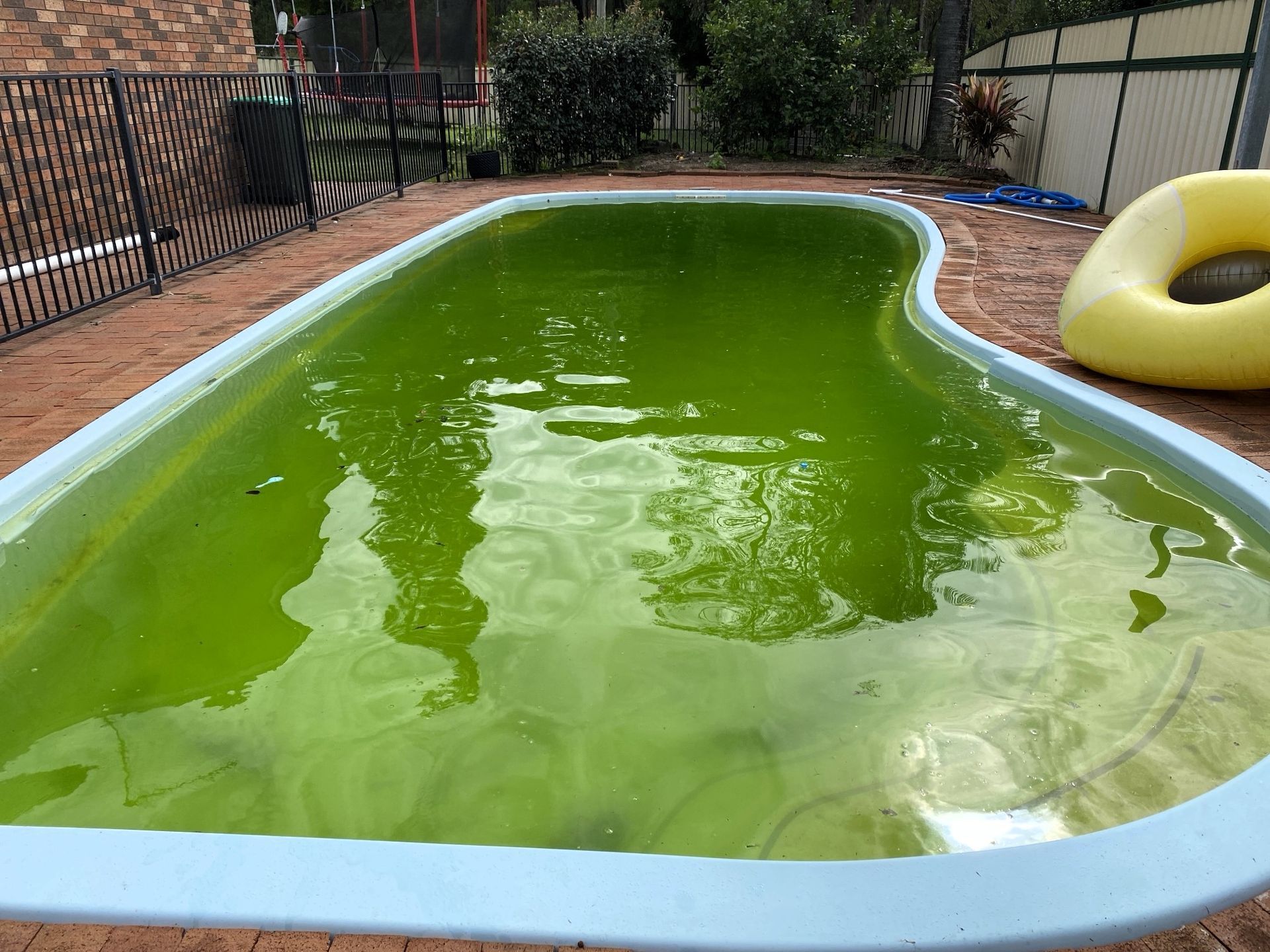
Water quality is often associated with comfort and cleanliness, but it also contributes to safety. Poorly balanced water can create health concerns and may not meet recommended standards.
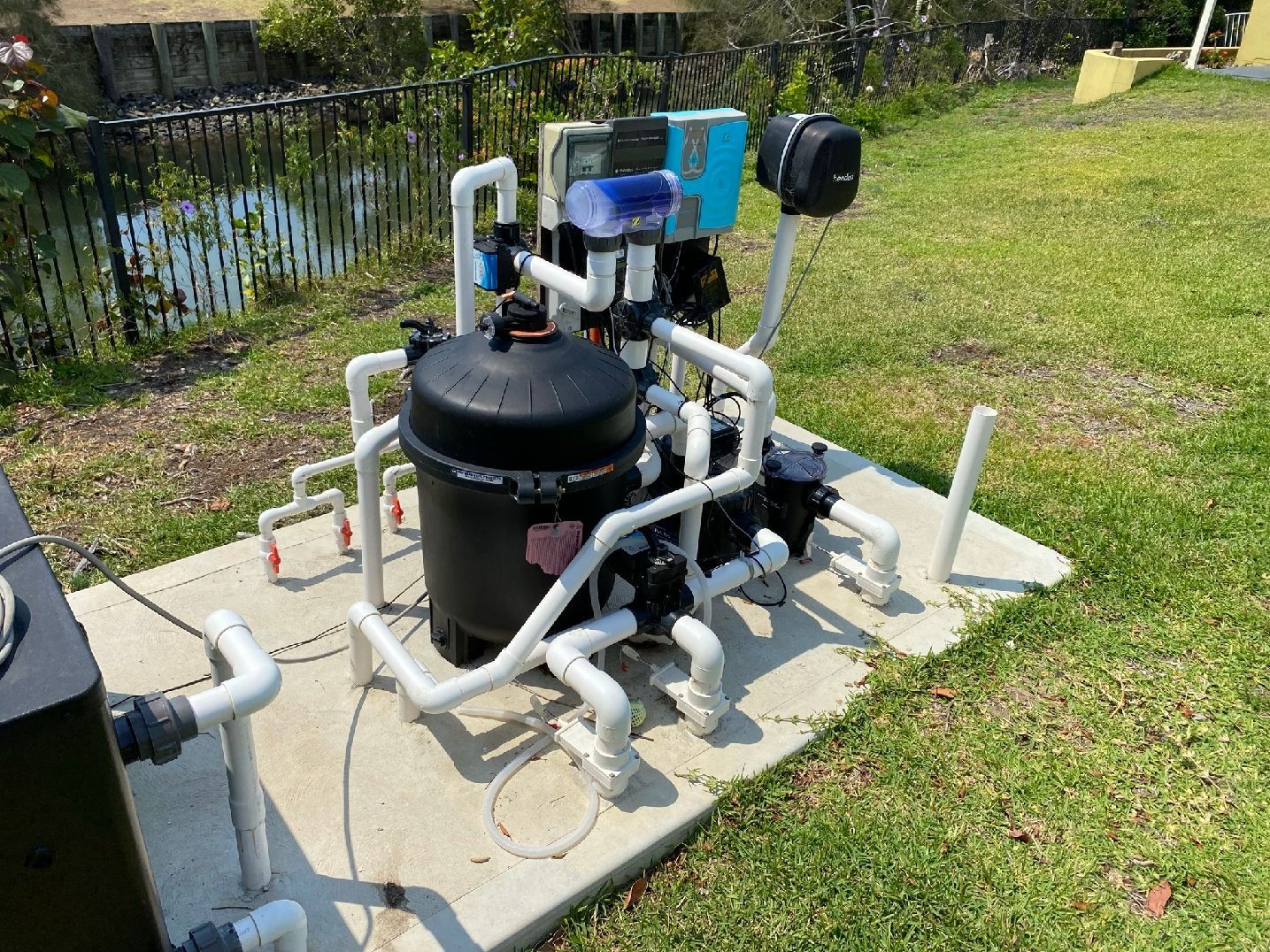
Maintaining proper chemical levels, filtration and circulation helps reduce the risk of irritation or contamination. It also supports the longevity of pool equipment.
A pool shop can assist with water testing, chemical recommendations and advice on maintaining consistent conditions. This ongoing support helps pool owners manage their responsibilities more effectively.
Keeping water quality within acceptable ranges is another aspect of maintaining a safe and compliant pool environment.
Regular Servicing Can Help Identify Compliance Issues Early
Routine maintenance does more than keep a pool clean. It also provides an opportunity to identify potential safety or compliance issues before they become more serious.
During regular servicing, common checks may include:
- Inspecting fencing and gate functionality
- Reviewing equipment condition and performance
- Checking for visible wear or damage around the pool area
- Monitoring water balance and filtration systems
These checks can highlight areas that may require attention, allowing owners to address them in a timely manner. By incorporating servicing into regular pool care, compliance becomes easier to manage over time.
Upgrading Older Pools to Meet Current Regulations
Older pools may have been built under different standards, which means they may not fully align with current requirements. Over time, this can create gaps in compliance.
Upgrades may involve replacing fencing, updating gate systems or adding required signage. In some cases, equipment or layout adjustments may also be necessary.
A pool shop can help assess what changes may be needed and suggest practical solutions that align with current expectations. This guidance can be particularly useful for those renovating or preparing a property for sale.
Bringing an older pool up to standard is often a gradual process, supported by informed decisions and the right products.
Local Advice Makes Staying Compliant More Straightforward
Working with a local provider offers access to practical, up-to-date advice that reflects current expectations and conditions. Regulations can vary, and local knowledge can help simplify the process.
A pool shop may provide:
- Guidance based on recent compliance requirements
- Recommendations suited to local environmental conditions
- Access to compliant products and replacement parts
- Ongoing support for maintenance and updates
This type of support helps pool owners stay informed without needing to navigate complex regulations alone.
Staying compliant with pool safety regulations can feel complex, particularly when balancing maintenance, equipment and legal requirements. Here at Taree Pool Supplies, we work with pool owners across Forster to provide guidance, products and support that make compliance more manageable. Whether you are updating equipment or reviewing your setup, our team is here to help you take the next step with confidence. Get in touch with us today to find out more.